
Brush Fencing Panels: Planning a Backyard Noise Barrier
31 August 2026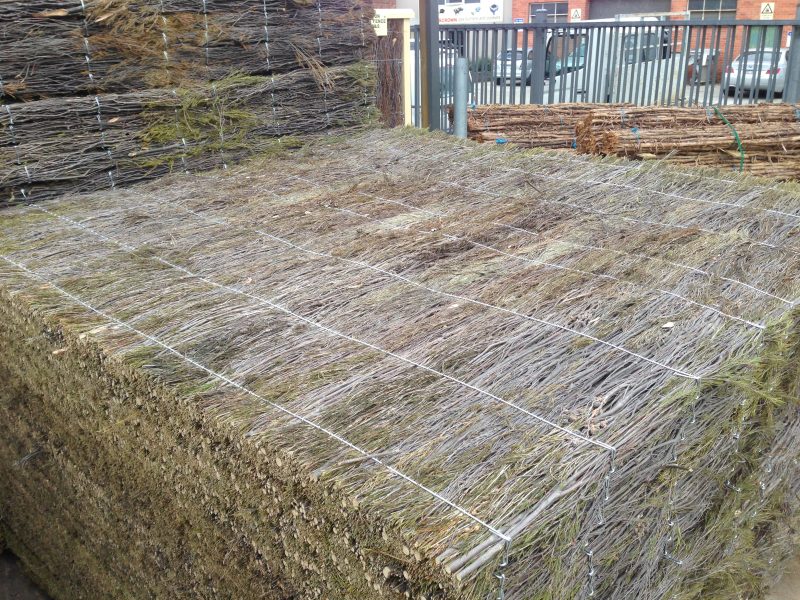
Brush fencing panels for Melbourne backyards affected by road or neighbour noise. Compare panel size, placement and installation before ordering.
Backyard noise can make an otherwise useful outdoor area harder to enjoy, particularly on busy roads or where neighbouring equipment sits close to the boundary. We supply Melaleuca brush fencing panels that can form a dense visual and acoustic screen, but good results depend on more than simply putting a panel along the fence line.
Start with the Noise Source and Barrier Position
A noise barrier works best when it interrupts the direct path between the source and the area you want to protect. That makes position and finished height important before you order materials.
Our brush fencing panels measure 1800 mm x 1800 mm and 50 mm thick. They are made from Melaleuca and are currently marketed for applications including traffic-noise screening. We do not publish a laboratory-tested decibel reduction, so the panels should not be treated as a guaranteed acoustic solution for every property.
Before planning the fence, check:
- Source location: Identify whether the main issue is road traffic, neighbouring equipment, conversation or another source.
- Receiver area: Decide whether you are trying to improve a patio, deck, pool area or wider backyard.
- Barrier continuity: Gaps beneath, between or around fencing can reduce the effectiveness of a noise screen.
- Finished height: Consider the line between the noise source and the outdoor area rather than choosing height only for privacy.
Our brush fencing panel product page provides the current dimensions and product information before purchase.
Do Not Rely on Acoustic Claims Alone
Dense brush fencing can provide useful screening, but backyard acoustics are affected by distance, terrain, adjoining buildings, openings and the type of noise involved. EPA Victoria’s residential noise guidance notes that a barrier or enclosure can form part of reducing noise from residential equipment. That is a useful reminder that fencing may be one part of the solution rather than a cure for every noise problem.
If the noise is significant or persistent, particularly from a busy road or mechanical equipment, consider obtaining acoustic advice before investing in a long boundary treatment.
Use Brush Panels for Privacy as Well as Screening
Noise is not the only reason to choose brush fencing. The dense natural finish can also provide privacy and a softer visual boundary.
Our existing article on natural screening with brush fencing panels covers privacy, landscaping and broader outdoor applications in more detail. For a noise-focused project, prioritise barrier position, continuity and the supporting structure before appearance.
Check Boundary and Pool Requirements Separately
Do not assume that a 1.8-metre brush panel automatically creates a compliant pool barrier. Pool fencing involves specific requirements, and suitability depends on the complete barrier and installation.
Front, side and boundary fencing can also be affected by local planning or building requirements. Check the relevant council and project requirements before installation, particularly if you are changing fence height or adding a new structure.
Order Brush Fencing Panels from I Got Wood
I Got Wood supplies timber, fencing and hardware products from our Bayswater yard and services the greater Melbourne metropolitan area. Our current 1800 mm x 1800 mm x 50 mm Melaleuca brush fencing panels can be ordered online.
Building a screen to improve backyard privacy and reduce unwanted noise? Contact us before ordering if you need help confirming panel sizes or suitable fencing materials. Careful planning can help you choose a setup that better suits the space and intended result.
Optimized by: Netwizard SEO